TeamPerMed hosts a summer school in genetic epidemiology
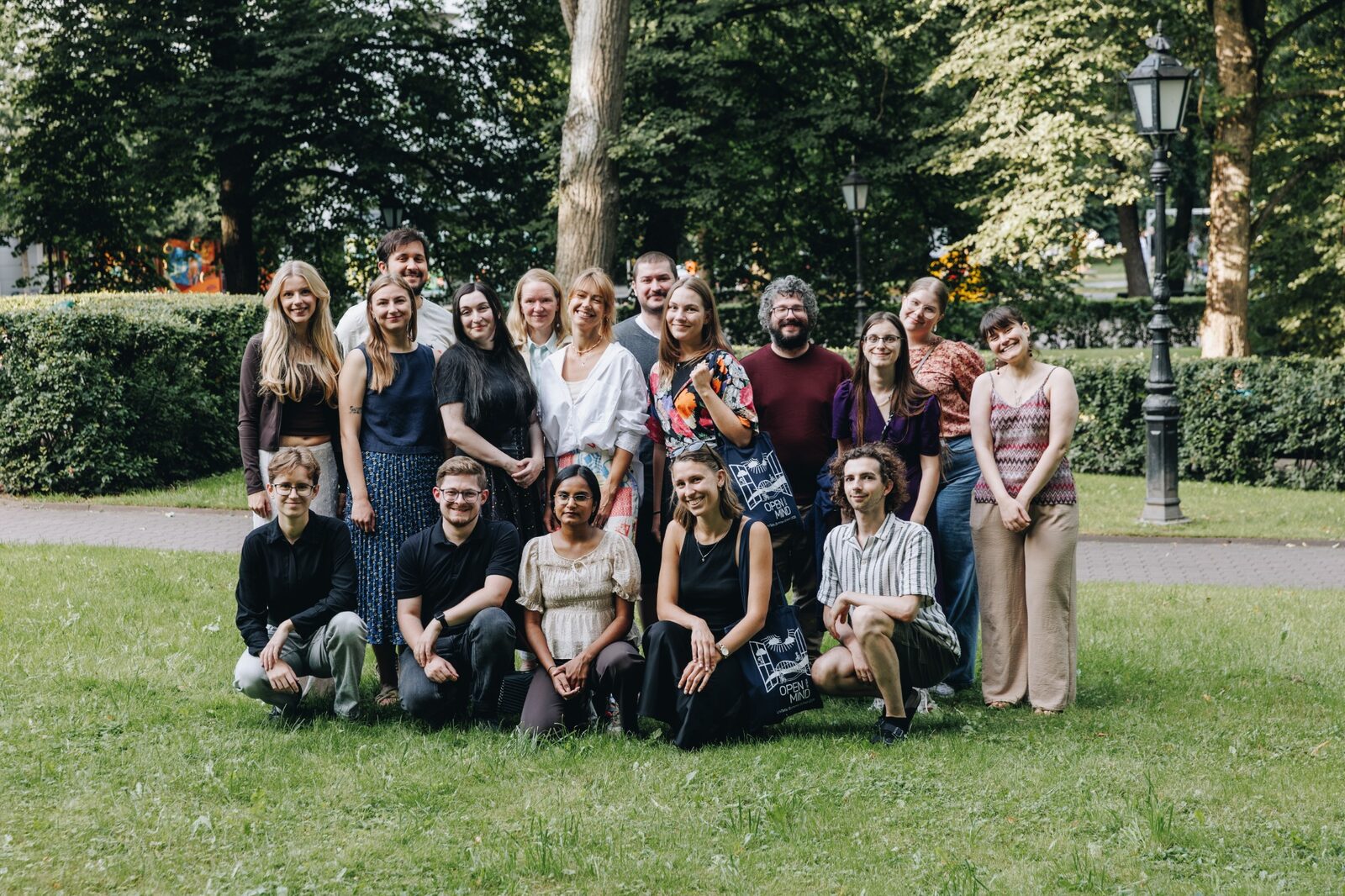
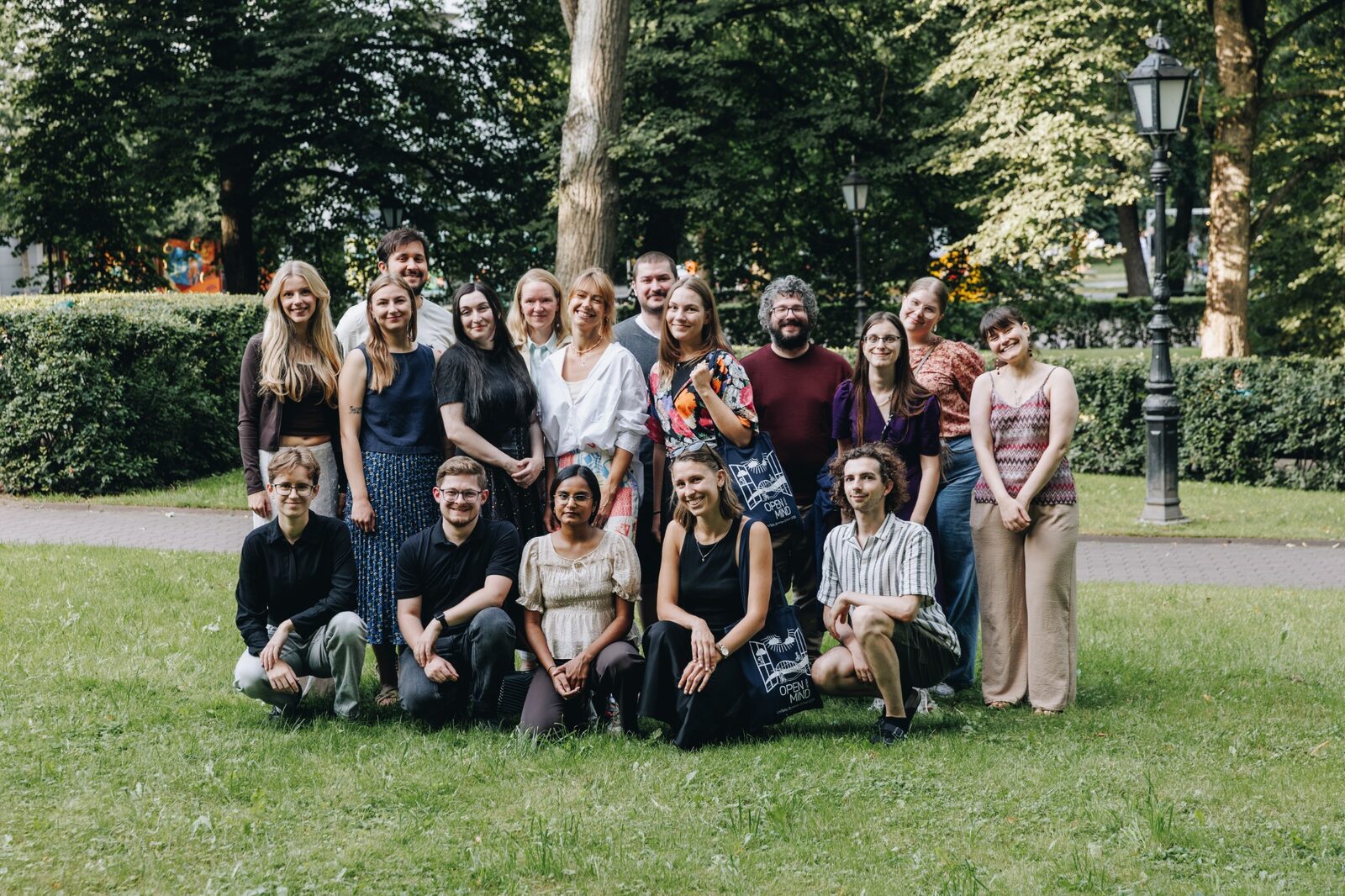
This summer, the University of Tartu welcomed master’s and PhD students from seven countries – Estonia, Germany, Poland, the Czech Republic, Romania, the United States and Latvia – for “From Genetic Variants to Risk Prediction: Methods in Genetic Epidemiology”, a two-week course held from 27 July to 7 August 2026 at the University of Tartu Delta Centre. The course was part of the UniTartu Summer School and organised within the framework of TeamPerMed.
Over 10 days, participants worked hands-on with the methods that underpin modern genomic research, moving step by step from raw genotype–phenotype data to interpretable estimates of disease risk. The programme opened with the foundations of genetic epidemiology, single-nucleotide polymorphisms (SNPs) and common data formats, before turning to exploratory data analysis and quality control, including checks for missingness, minor allele frequency and Hardy–Weinberg equilibrium.
From there, the group explored population structure through dimensionality reduction and clustering (PCA and UMAP), ran small-scale genome-wide association studies (GWAS), and learned to read the Manhattan and QQ plots such analyses produce. The final days focused on polygenic risk scores (PRS): their construction and interpretation, the contribution of rare high-impact variants, the ways a score’s performance depends on context and ancestry, and the ethical and privacy questions that accompany genetic risk prediction. The course closed with a group project in which teams combined preprocessing, visualisation, clustering and PRS into a single analysis and presented their findings to the class.
Throughout, the emphasis was on reproducible, transparent workflows and on connecting computational results back to biological meaning. A recurring theme was where these methods sit within the wider research pipeline TeamPerMed is building: from data and models through to clinical trials, guidelines and, ultimately, societal impact.
The course was taught by a team drawn from across the consortium: Prof. Andres Metspalu, Prof. Krista Fischer, Prof. Märt Möls, Dr Kristi Läll, Dr Linda Repetto and Elia Tiso from the University of Tartu, together with Dr Gabin Drouard from the University of Helsinki.
If the individual methods were the course’s building blocks, its real aim was broader: a foundational grounding in a deeply interdisciplinary field, and the confidence to make sense of unfamiliar work. As Dr Linda Repetto, Research Fellow at the Institute of Genomics, University of Tartu, put it:
“We aimed to give participants a foundational overview of genetics to highlight the field’s interdisciplinary nature and show how diverse academic backgrounds contribute to personalised medicine. Our goal was to equip students with a broad theoretical toolkit, giving them the knowledge and confidence to engage with, understand, and critically evaluate unfamiliar papers or presentations.”
Reflecting on the two weeks, one of the participants, Mirjam Jesmin, found that much of what surprised them was cultural as much as technical: how routinely genomics researchers work at the command line rather than through polished applications, and that a biobank is a physical place rather than a dataset in the cloud:
Mirjam Jesmin, participant
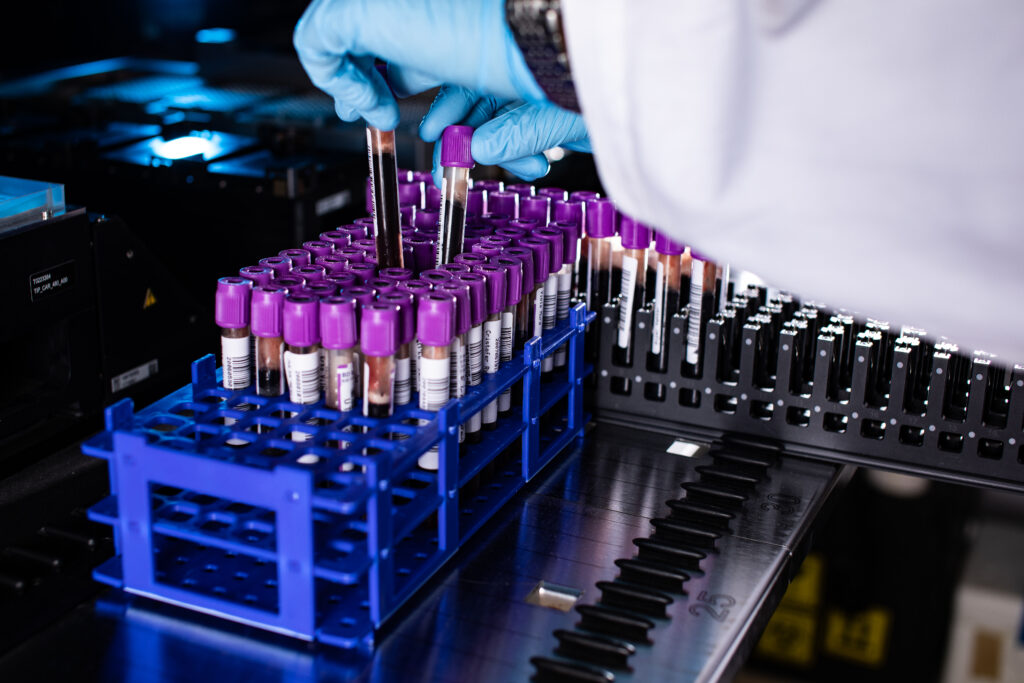
“A genomic bank isn’t a cloud dataset – it’s an actual physical space with specialised containers, more like a bank vault than a server. And I learned that genomics isn’t as black-and-white as, say, mathematics: critical thinking matters more than formulas.”
Our thanks go to everyone who made the summer school possible: the teaching team from the University of Tartu and the University of Helsinki, who gave generously of their expertise and time; the nine participants, who brought their varied backgrounds and sharp questions to the room.